Lead at the Highest Level
Graduates move into senior roles as directors and administrators, instructional and curriculum specialists, policy leaders, and college faculty, in private firms, nonprofits, higher education, and government.


Lead change wherever you work. The EdD is a flexible, research-driven doctorate for accomplished professionals ready to shape education, organizations, and policy.

You have built real expertise in your field. The EdD turns that experience into the credential and the research skills to lead at the highest level.
Florida Southern College's Doctor of Education prepares accomplished professionals to lead meaningful change in schools, colleges, organizations, and communities. The redesigned curriculum emphasizes leadership, innovation, organizational improvement, strategic decision-making, and applied research, equipping students to address today's most pressing educational challenges. Courses focus on systems thinking, instructional leadership, policy, organizational change, stakeholder engagement, data-informed decision-making, and research methods that culminate in a dissertation addressing a significant problem of practice. Designed for working professionals, the program brings together leaders from education and related fields to learn collaboratively while developing the knowledge and skills to influence practice, policy, and student success.
The Doctor of Education is a broad doctorate for leaders across every sector: higher education, business, nonprofits, government, and P-12. Many students enter with a master’s degree outside of education.
Focused specifically on P-12 schools and districts? The EdD in Educational Leadership is built for P-12 teachers and administrators.
You'll move through the program with the same cohort, building a lasting professional network. Courses use a hybrid format: online learning combined with in-person meetings. In fall and spring, you’ll take two courses at a time, each meeting for a half day on select Saturdays, with online coursework between sessions. This flexible schedule helps working professionals balance doctoral study with other commitments. Most students complete coursework in two years before beginning the dissertation phase.
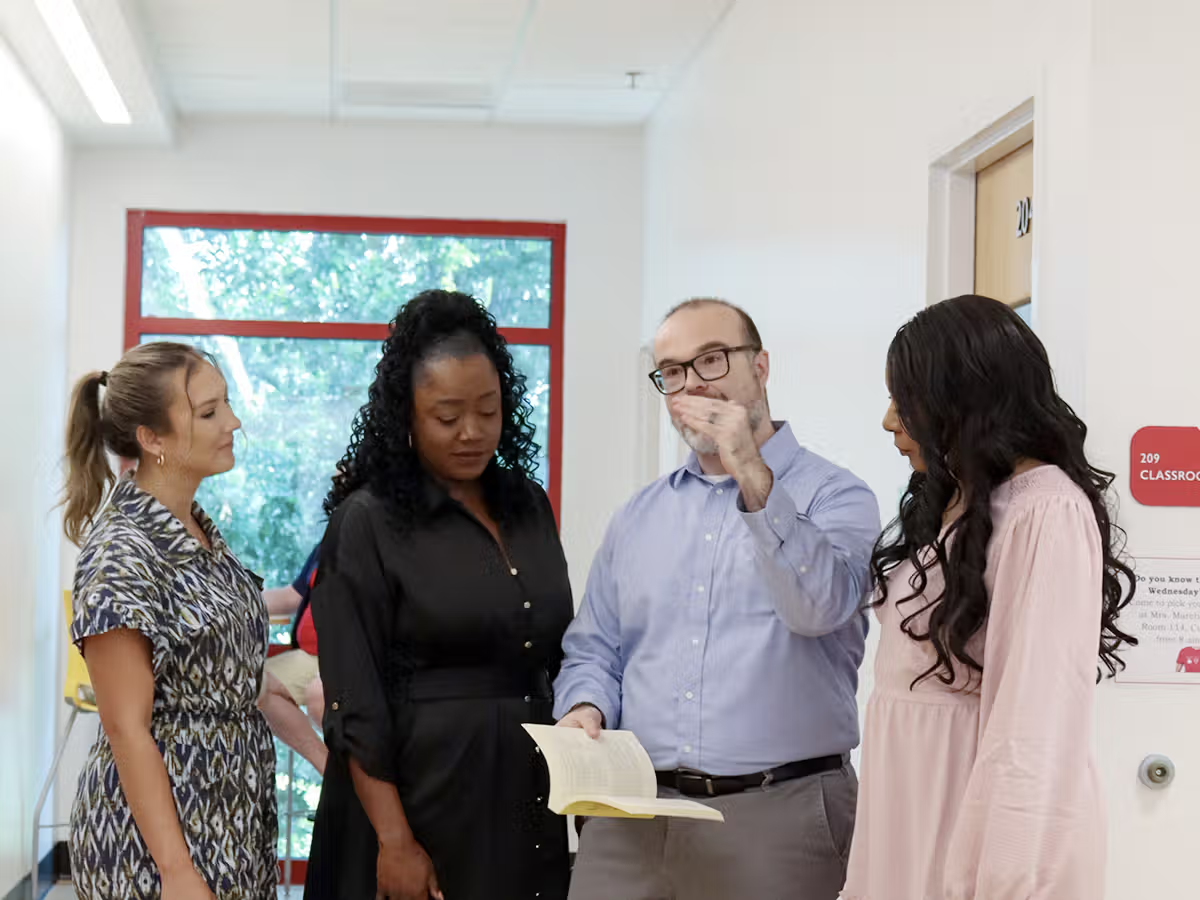
Eligible students in the Doctor of Education program can pursue the Early Option, beginning their dissertation process before finishing all coursework. Once program requirements are met, students may present their prospectus and form their committee while completing remaining classes. This allows earlier research, sustained momentum, and potentially a shorter path to degree completion, all with continued faculty support.
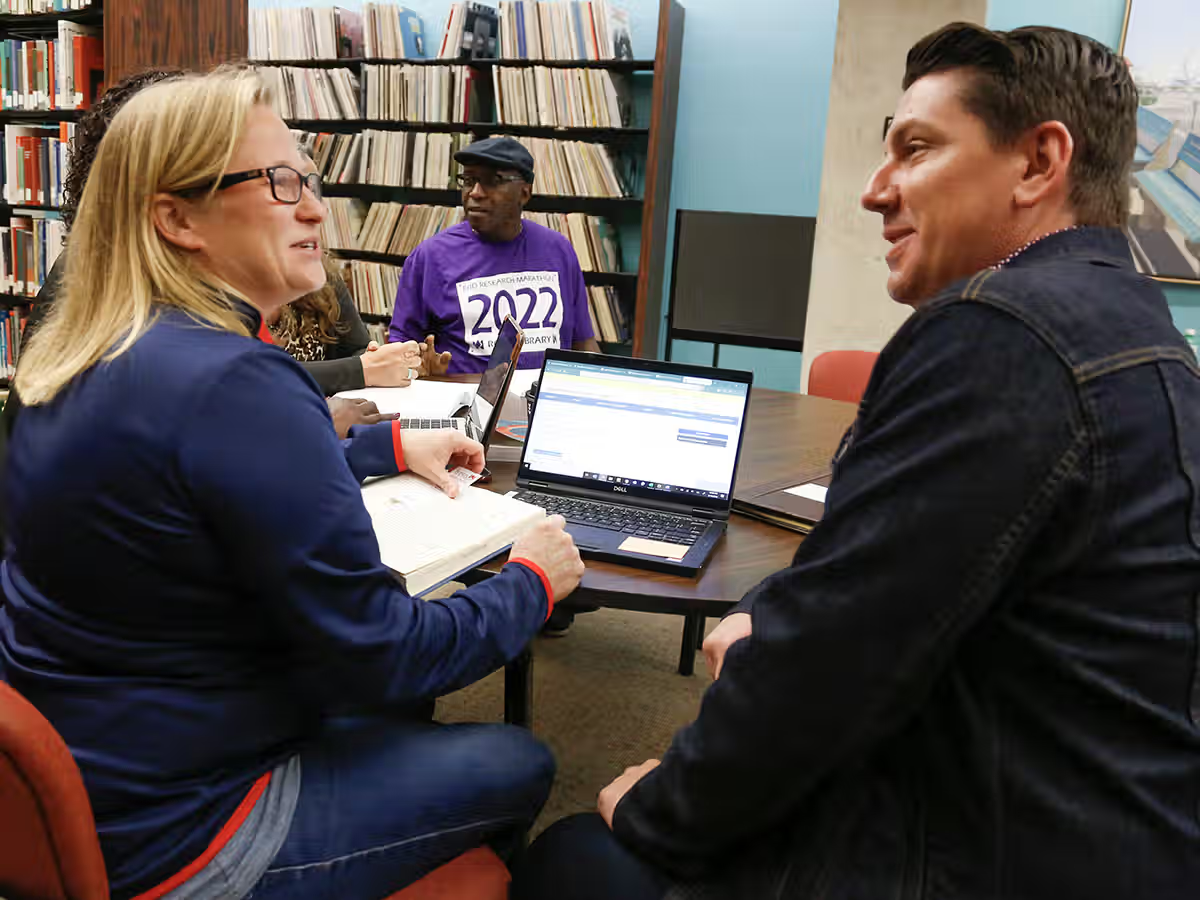
A cohort-based, hybrid doctorate designed for working professionals, with the research training and faculty mentorship to carry you through to your dissertation.
You have already proven yourself in your career. The application is where you show you are ready for doctoral-level work, and our team and the doctoral program coordinator will guide you through it. A complete application includes:
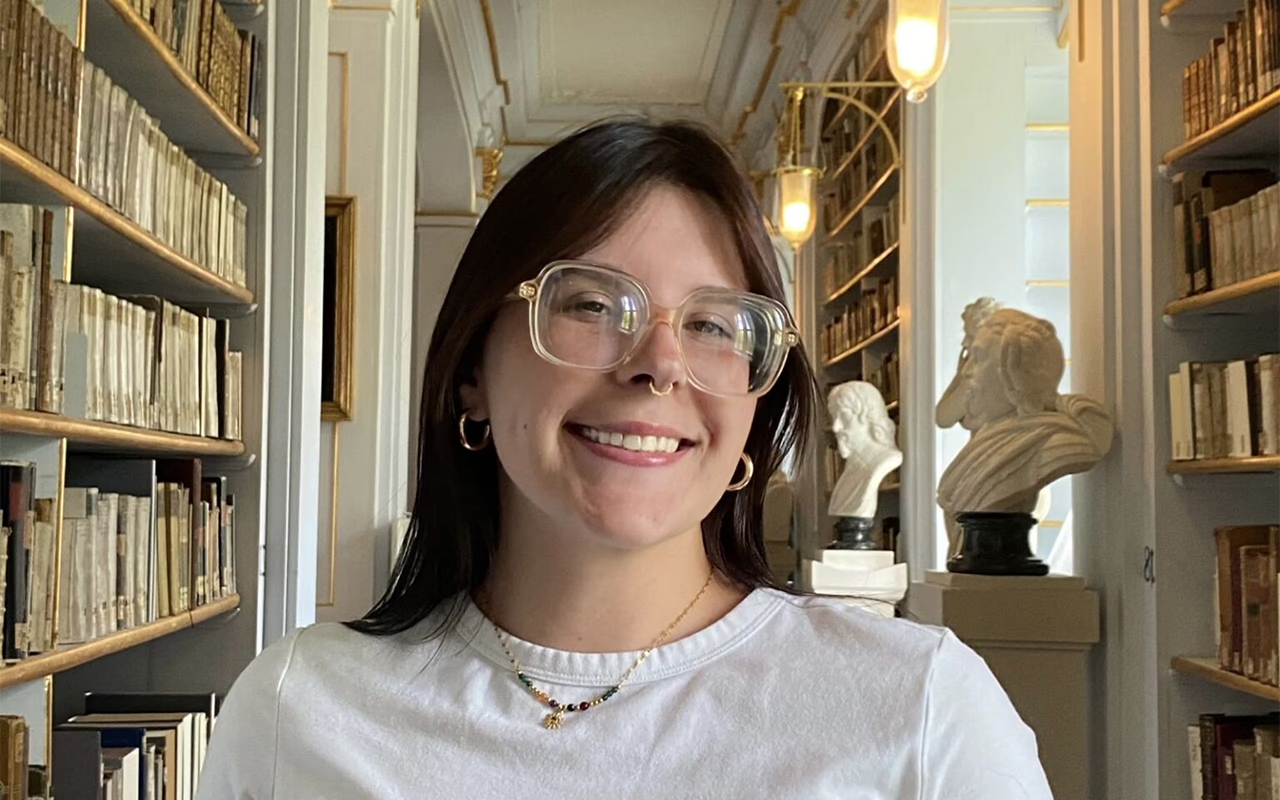
Have questions as you pull this together? Reach out to Kimmy Diallo, your admission counselor and advisor, and she will walk you through it.
The curriculum is designed to prepare visionary leaders to improve teaching, learning, and organizational effectiveness. Students develop expertise in leadership, systems thinking, strategic planning, organizational improvement, data-informed decision-making, policy, and applied research while examining real-world challenges facing education and related organizations. Throughout the program, a carefully sequenced research and dissertation experience equips students to investigate a significant problem of practice, generate meaningful evidence, and lead lasting, positive change in their profession.
|
Course Code |
Course Title |
|
EDU 7005 |
Ways of Knowing: Research in Education |
|
EDU 7035 |
Learning Theories |
|
EDU 7090 |
Quantitative Analysis |
|
EDU 7135 |
Planning and Evaluation |
|
EDU 7025 |
Sociological and Economical Perspectives in Education |
|
EDU 7120 |
Qualitative Methods of Inquiry |
|
EDU 7115 |
Community Collaboration |
|
EDU 7020 |
Curriculum, Learning, and Instruction |
|
EDU 7075 |
Instructional Design & Improvement |
|
EDU 7997 |
Advanced Research Methods* |
|
EDU 7050 |
Policy, Politics, and Current Issues |
|
EDU 7998 |
Advanced Program Evaluation* |
|
EDU 7125 |
Advanced Research Design for Dissertation |
Program Total - 60 hours
*Courses 7997 and 7998 are four credit hours each
Tuition per Credit Hour: (2026–2027): $555
Technology Fee per Semester: $25 to $100 (based on credit
hours enrolled)
Non-Refundable Enrollment Deposit: $250 (upon acceptance,
applied toward your first semester tuition balance)
A dissertation editing fee also applies: the final, successfully defended dissertation is reviewed by a professional editor selected by the FSC School of Education, with the fee based on the document’s length and complexity.
An EdD positions you to lead and to shape your field through research, wherever your career takes you.
Graduates move into senior roles as directors and administrators, instructional and curriculum specialists, policy leaders, and college faculty, in private firms, nonprofits, higher education, and government.
Your dissertation makes an original contribution to your field, and the methods training behind it equips you to keep producing research that informs decisions and policy long after graduation.
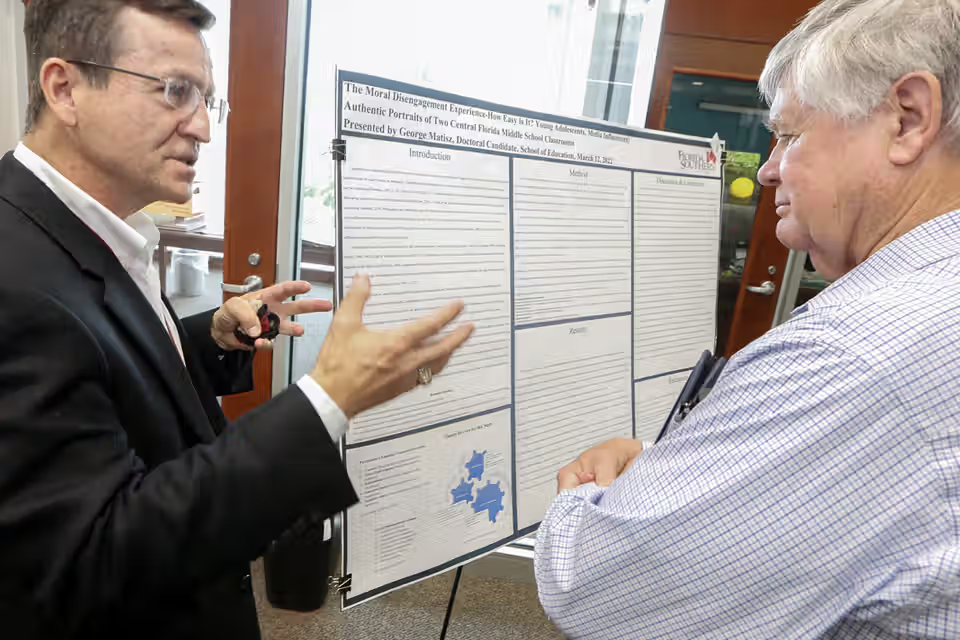
Graduates move into senior roles as directors and administrators, instructional and curriculum specialists, policy leaders, and college faculty, in private firms, nonprofits, higher education, and government.
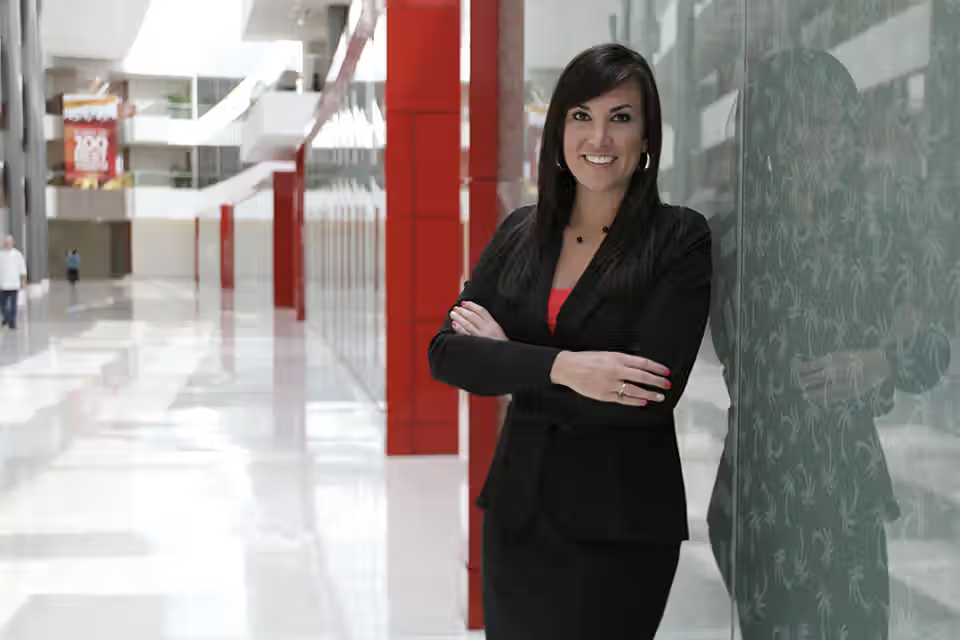
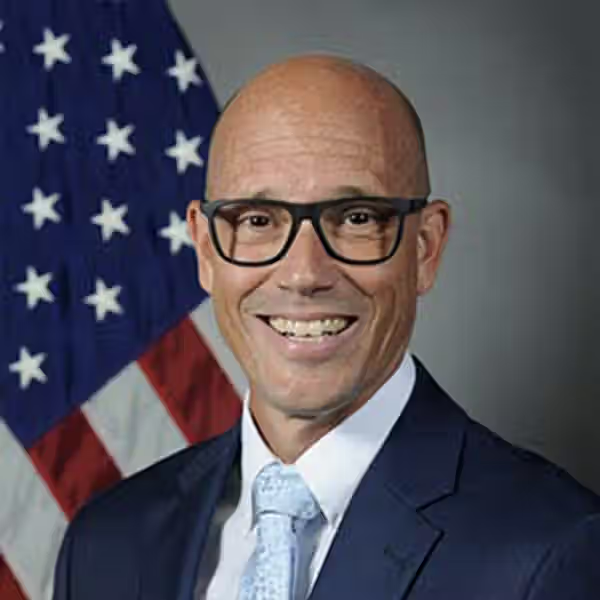
“In my position with the Air Force, I’m engaged with students from across the country in diverse educational settings. The Doctor of Education program at FSC has introduced new ways of thinking that allow me to engage students and collaborate with outstanding faculty to affect positive and consequential change for the student, organization, and society. The hybrid approach and collaborative institutional support have allowed me to participate in the program and maintain a productive family and professional life balance.”
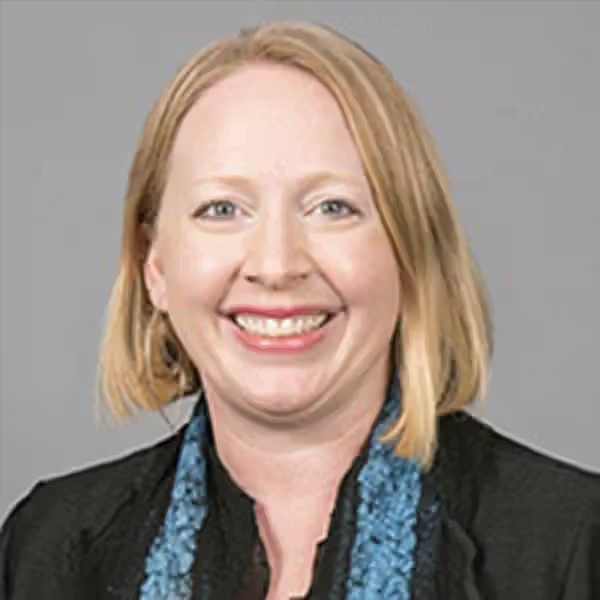
“The Florida Southern College Doctor of Education program has helped me to realize my potential as a scholar and a leader in higher education administration.”
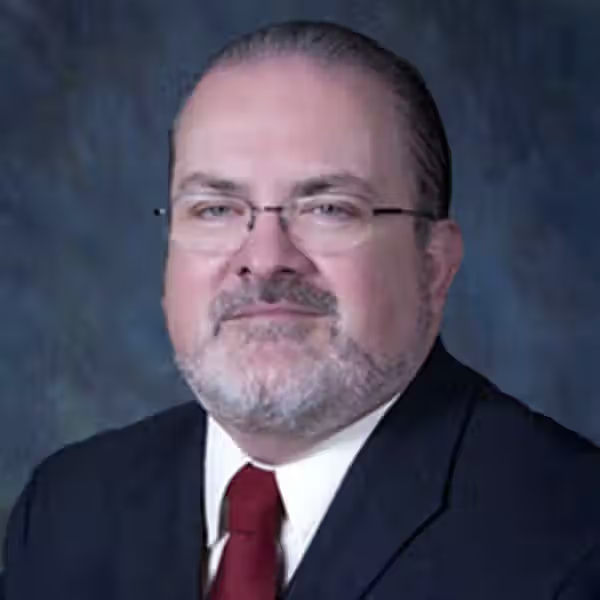
“I have found the Florida Southern College Doctor of Education Program extremely valuable in gaining greater insights into the importance of education and the part it plays in continuous process improvement and organizational success.”
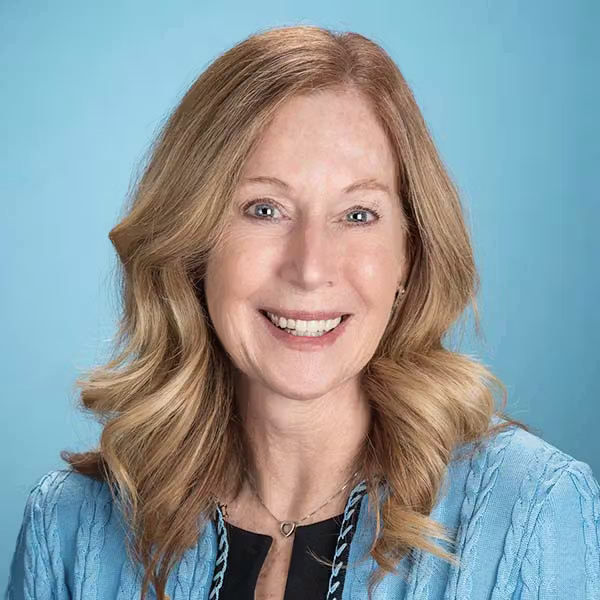
"I'm grateful to the FSC doctoral program for the guidance, knowledge and credential to reach my career goals and contribute to the academic community. "
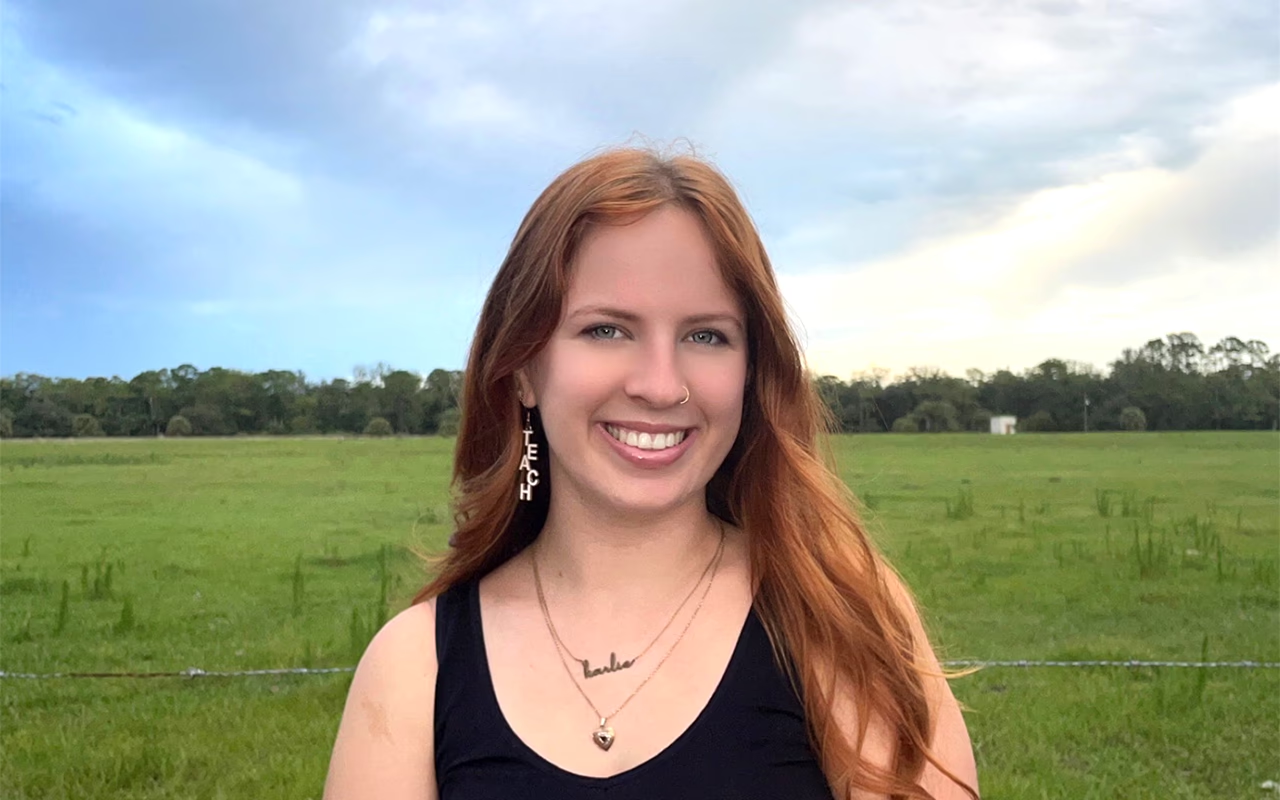
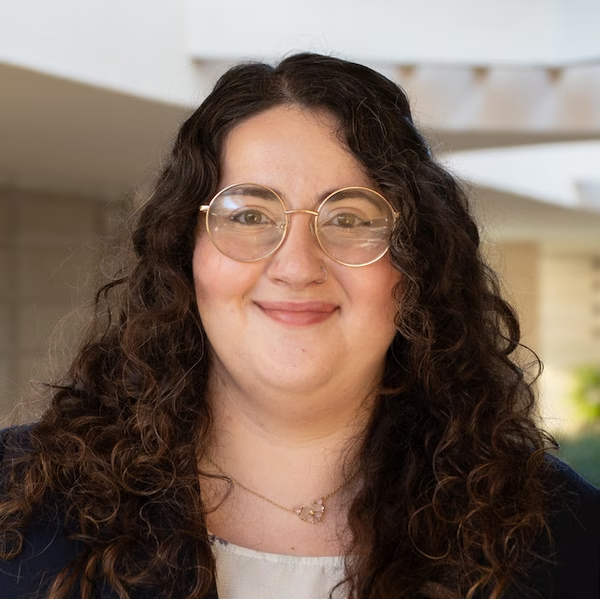
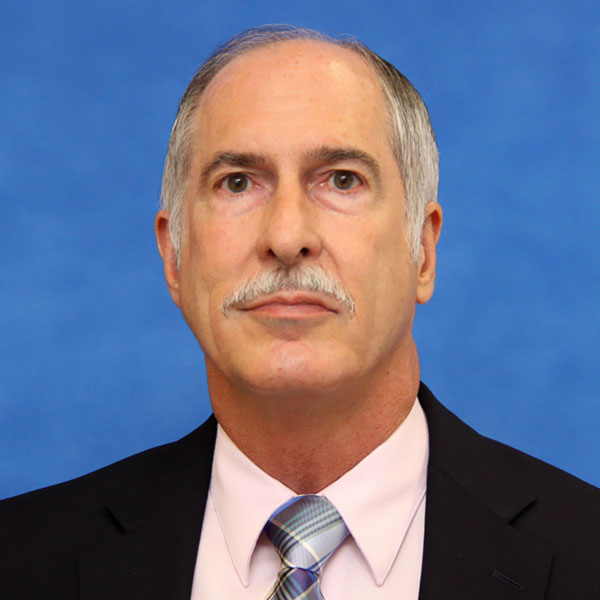
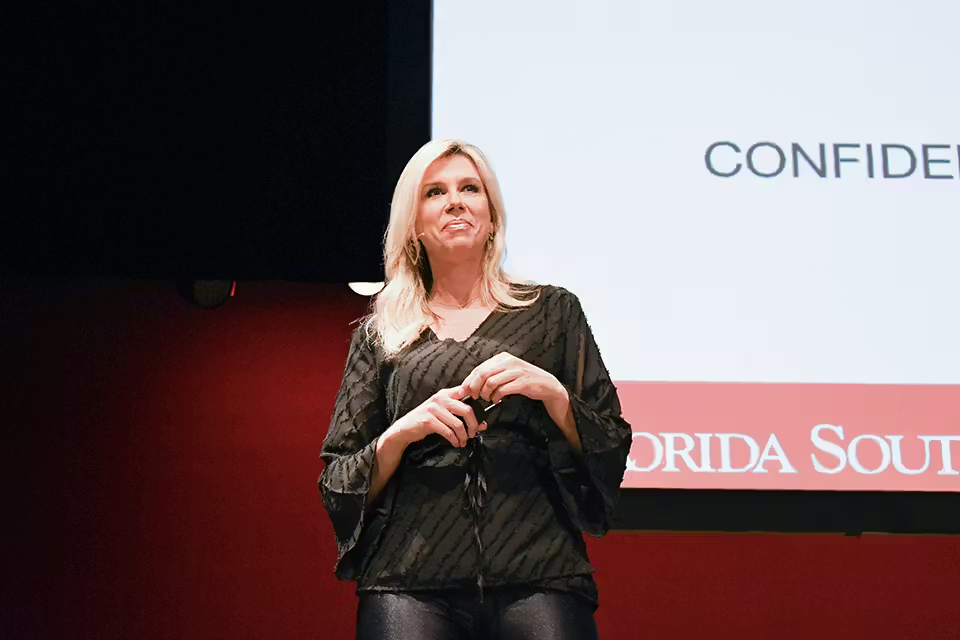
Our doctoral faculty are scholars and practitioners working at the front edge of education’s most pressing questions. They mentor you from your first course through your dissertation defense.
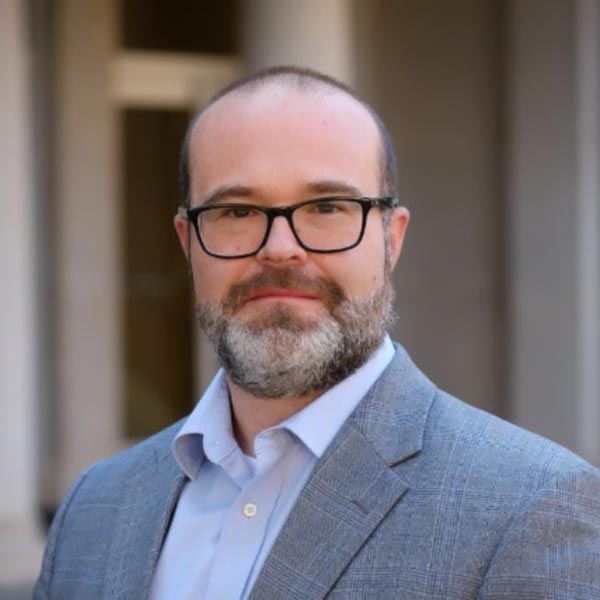
Assistant Professor of Education
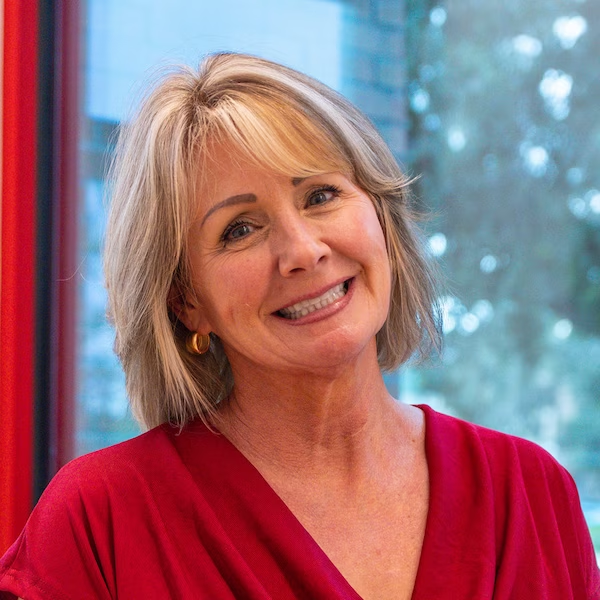
Associate Professor of Education
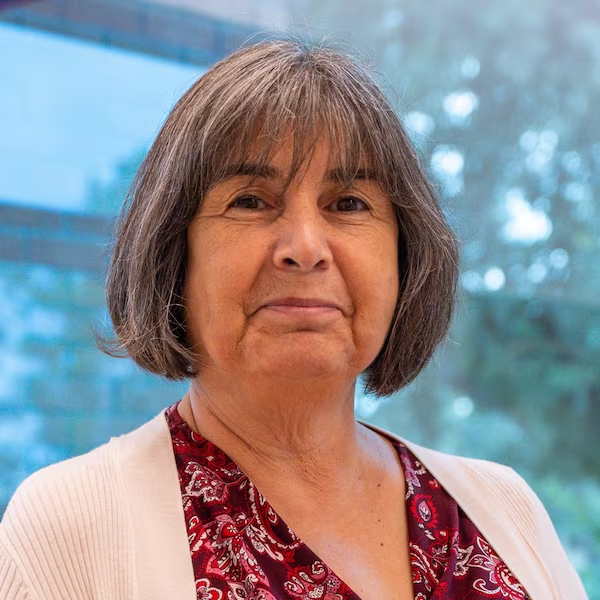
Assistant Professor of Education
The Doctor of Education program follows a cohort model, allowing you to progress through the curriculum with the same group of peers and build lasting professional relationships. Courses are delivered in a hybrid format, combining face-to-face instruction with online learning. During the fall and spring semesters, students typically take two hybrid courses, each meeting for one-half day on designated Saturdays, with online coursework completed between class sessions. This flexible format is designed to accommodate the schedules of working professionals while providing meaningful opportunities for collaboration and engagement.
A new cohort begins every summer, and students may also join in the fall or spring terms.
At the doctoral level, you are full time at 8 credit hours a semester.
It comes down to where you want to lead. The Doctor of Education (EdD) is the broad doctorate for leaders across every sector, including higher education, business, nonprofits, government, and P-12, and many students enter with a master's degree outside of education. The EdD in Educational Leadership is built specifically for P-12 teachers and administrators who want to lead schools and districts.
Still weighing the two? Connect with Kimmy Diallo, our admission counselor and advisor, who can talk through your background and goals and help you find the right fit.
Complete the FAFSA to determine your eligibility for financial aid.
Ready to lead with research? Request more information about the Doctor of Education, or start your free graduate application today.
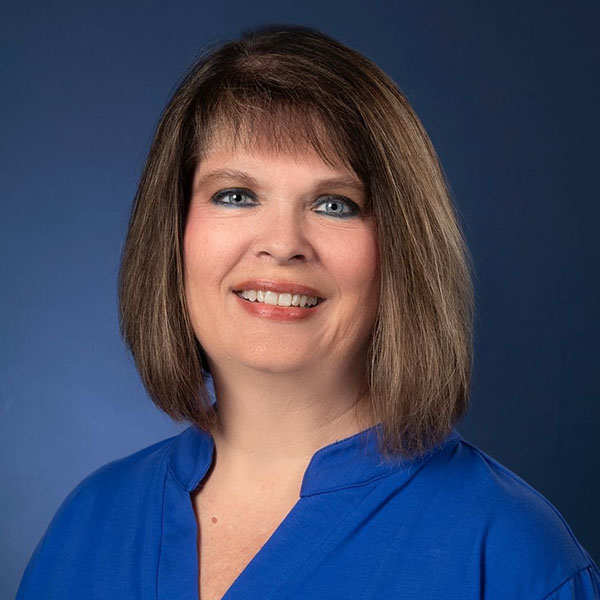
Dean of Education, Nina B. Hollis Endowed Chair of Education, Associate Professor of Education
Exploring other paths in education? Here are FSC’s related graduate and doctoral options:
Ready to lead with research? Request more information about the Doctor of Education, or start your free graduate application today.